In 1935, homesick for his native land, Max Ehrlich returns to Nazi Germany following a performing tour in Holland. Jewish entertainers may once again perform there, although only within the framework of the Jüdischer Kulturbund—the Jewish Cultural Union—and exclusively before Jewish audiences. Max Ehrlich is named director of the Kulturbund’s Light Theater Department.
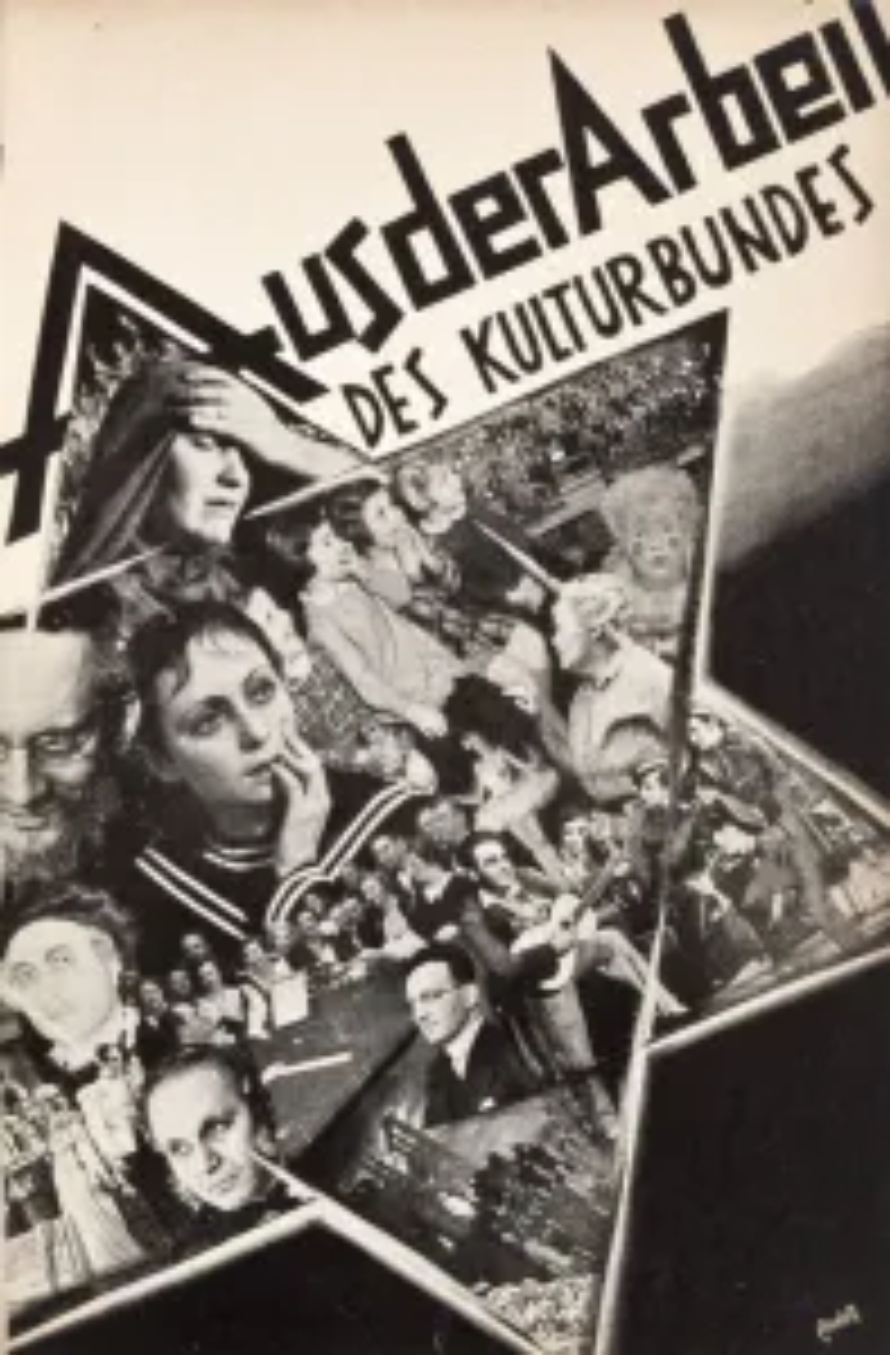
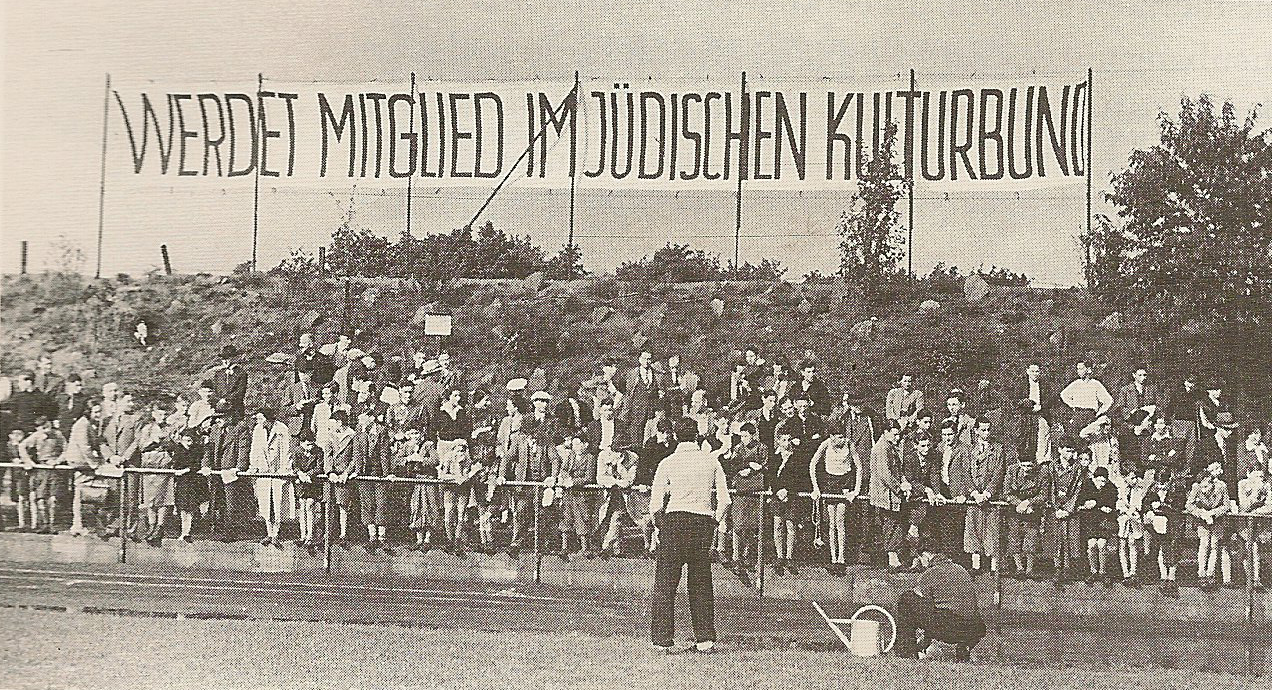
The KuBu, or Jüdischer Kulturbund, was created in 1933 with the consent of the Nazi authorities. It was established after German Jews, as well as Germans classified as being of Jewish descent, had been excluded from participating in virtually every other organization or public cultural event, including theaters, concerts, cabarets and other public venues.
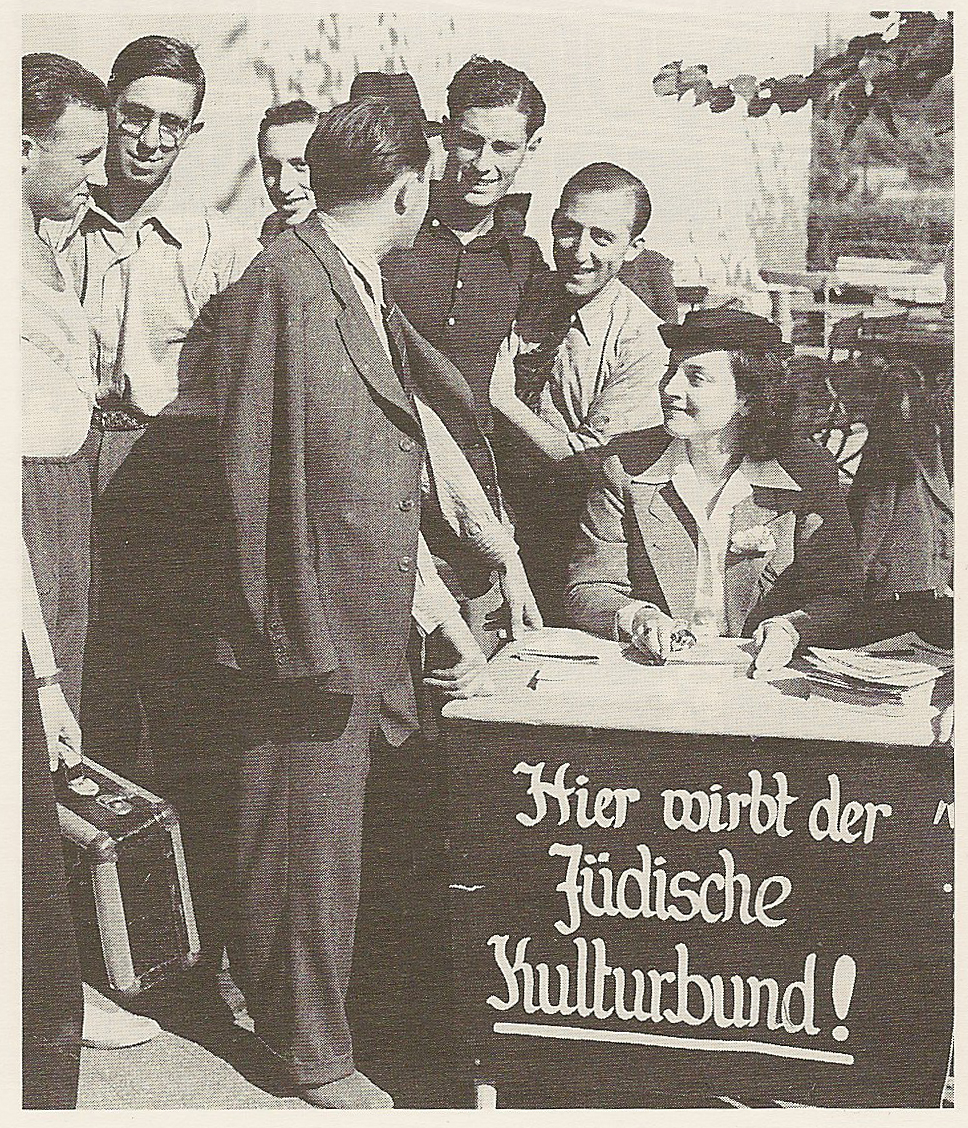 The KuBu employed more than 1,300 male and 700 female artists, musicians and actors, and grew to a membership of some 70,000 people who participated in staging and organizing the organization’s events.
Originally named the Kulturbund der Deutschen Juden—the Cultural Union of German Jews—the organization was forced by the Nazi authorities in April 1935 to remove the word “German” from its name. In its place, they imposed the name Jüdischer Kulturbund, or Jewish Cultural Union.
The Kulturbund stages theatrical performances, concerts and operas throughout Germany and also organizes exhibitions and lectures. These events are presented by Jewish entertainers, artists, writers and scientists, exclusively before Jewish audiences in segregated venues.
Within this restricted framework, Max Ehrlich not only directs the KuBu’s Light Theater Department but also appears in, produces and directs performances at Kulturbund venues throughout Germany.
Nevertheless, as conditions for German Jews continue to deteriorate, Max Ehrlich begins to consider emigrating to the United States.
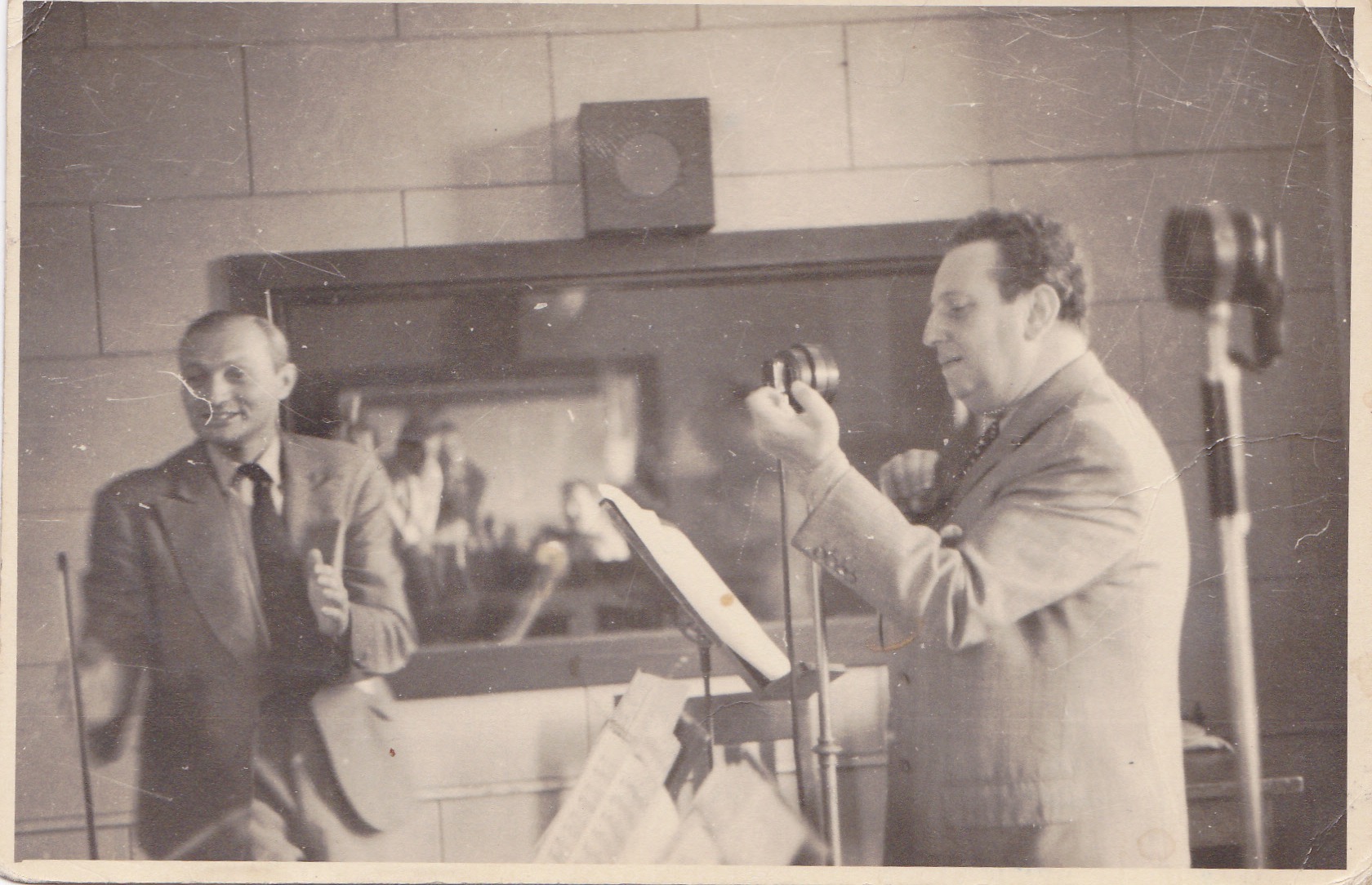
In June 1937, he boards a steamer bound for New York, where he spends the month of July exploring the possibility of establishing a German-language cabaret. He also makes at least one live radio appearance.
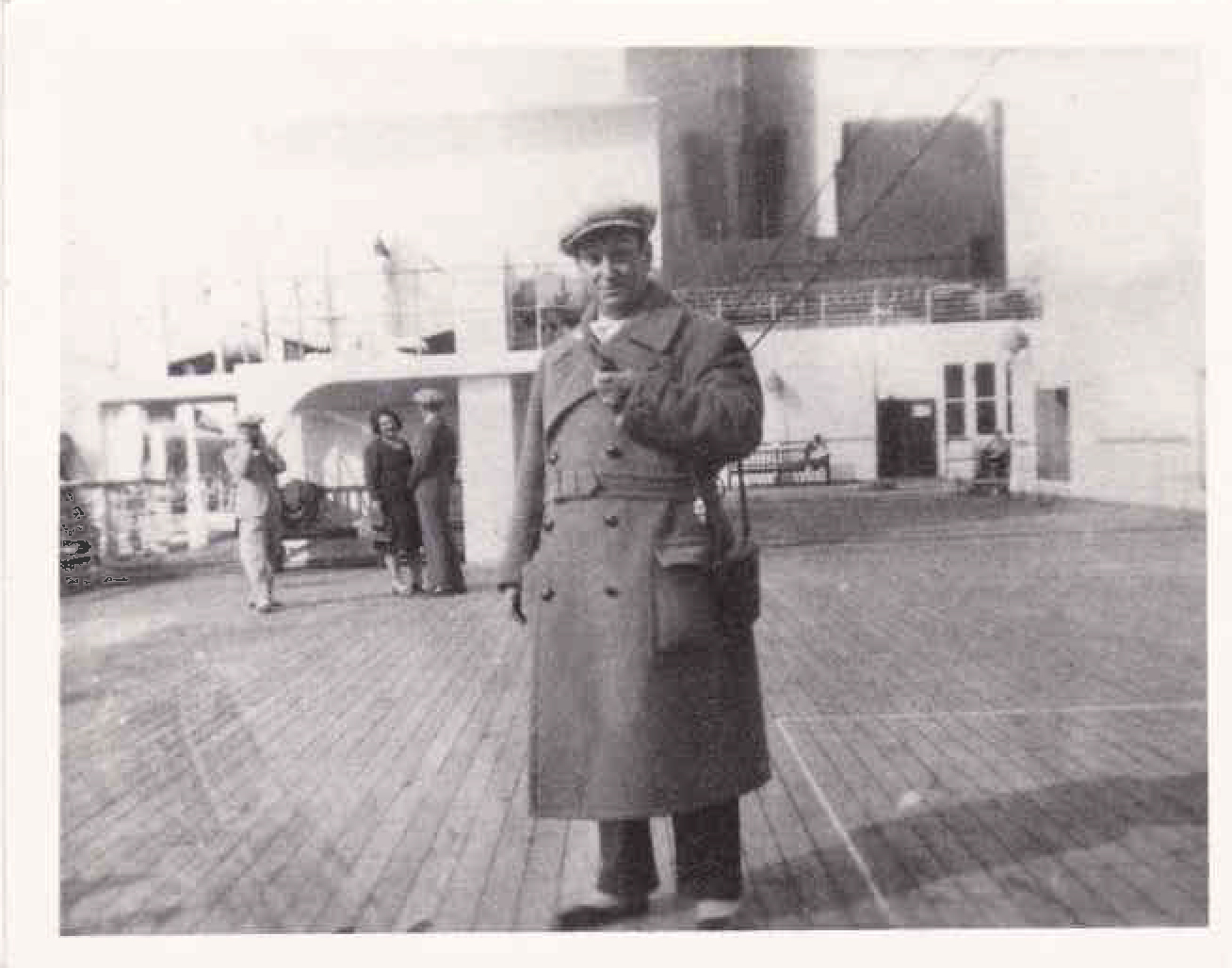
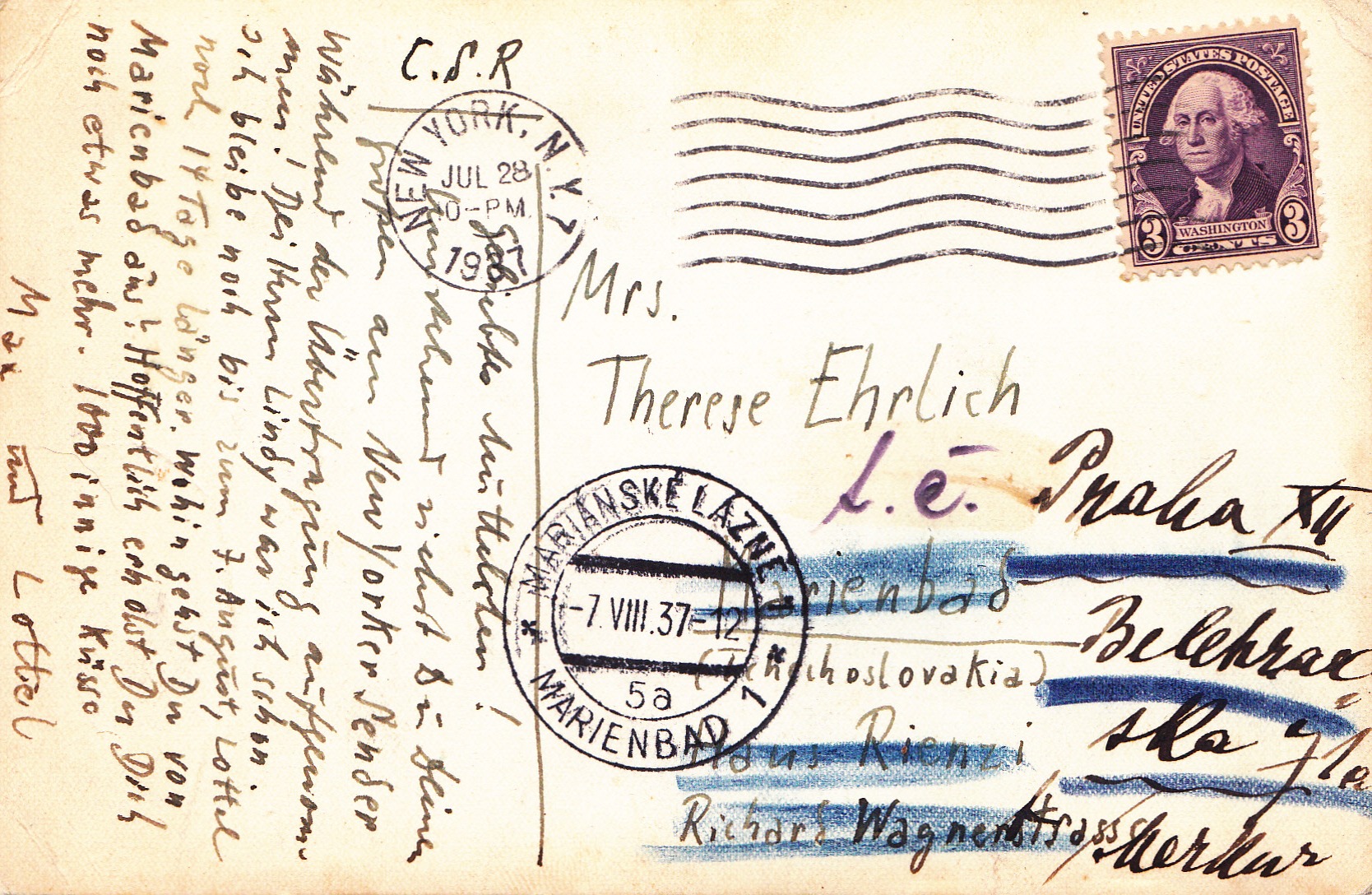
The journey is documented by a photograph taken aboard ship during the crossing and by a picture postcard that he mails to his mother, Theresa Ehrlich, née Hartwig, then living in exile in Prague, Czechoslovakia. Click here.
In a most remarkable series of events, his visit is also documented in a letter written in New York by the German-Jewish refugee and opera singer Eva Ortmann to her daughter Sybille in England [click here].
Following his return to Germany, the KuBu continues its activities, even after the pogroms of November 9–10, 1938. By then, however, discrimination and persecution have driven many Jews into impoverishment, and the number of venues, performers, speakers and members has declined sharply.
Consequently, Max Ehrlich finally decides to leave Germany permanently. Both of his announced farewell performances sell out immediately, and a third performance is added. Thus, on April 2, 1939, before a full house of admirers calling out their affection and encouragement, Max Ehrlich makes his final appearance in Germany.
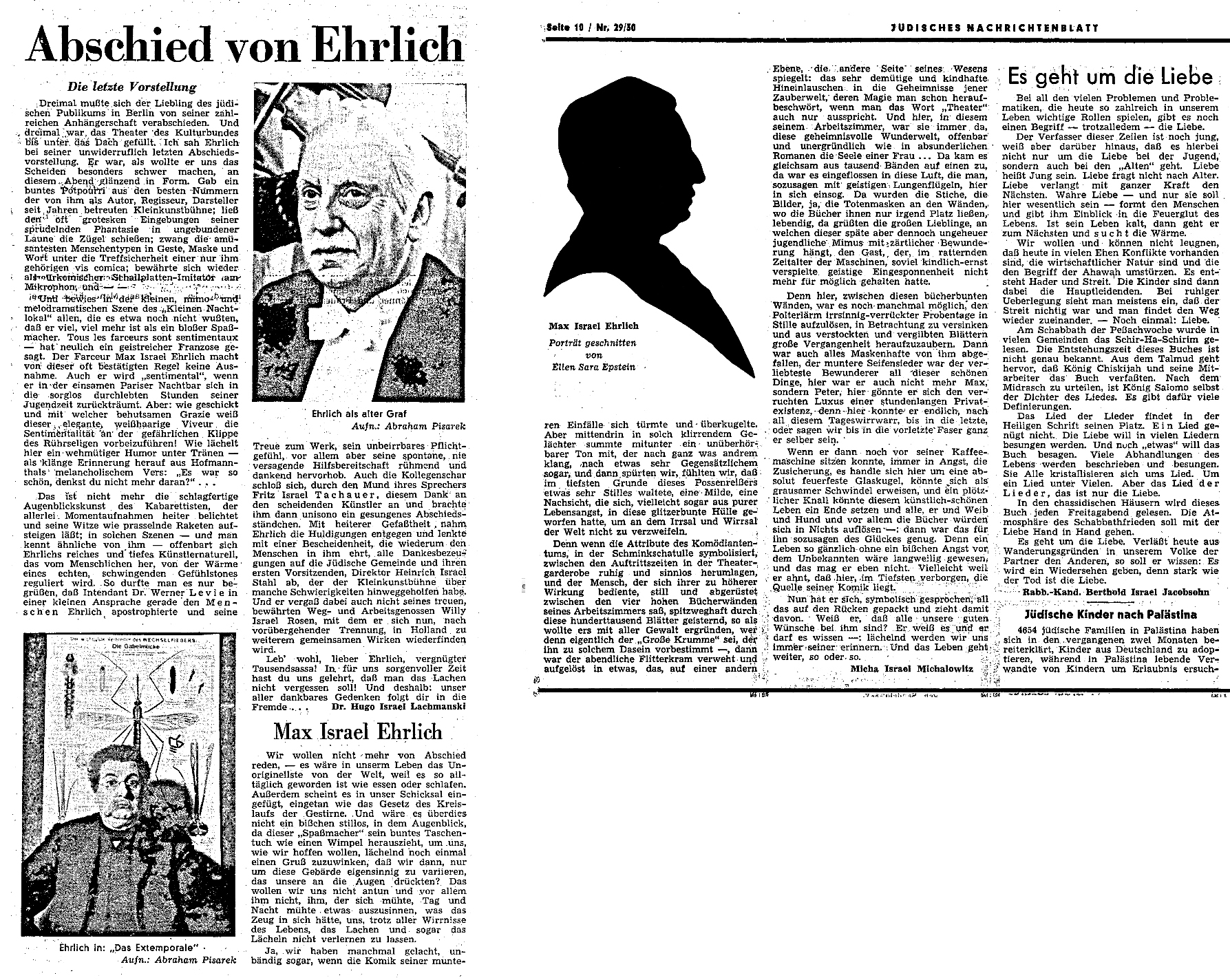
Click on image to enlarge
He returns to Holland and joins Willy Rosen and his Theater der Prominenten—the Theater of Celebrities—where he remains even during the Nazi occupation [Dutch exile].